What to Include in a Band Tech Rider

The best rider is clear, current, and easy for a venue to act on without a follow-up email for every detail.

A good tech rider saves time for everyone. It tells the venue what your band actually needs, what you bring yourselves, and what should already be in place when you arrive.

  • 1Include only the information the venue needs to prépare the show properly.
  • 2Keep the stage plot, patch list, and technical notes aligned.
  • 3Update the rider whenever your lineup or setup changes.
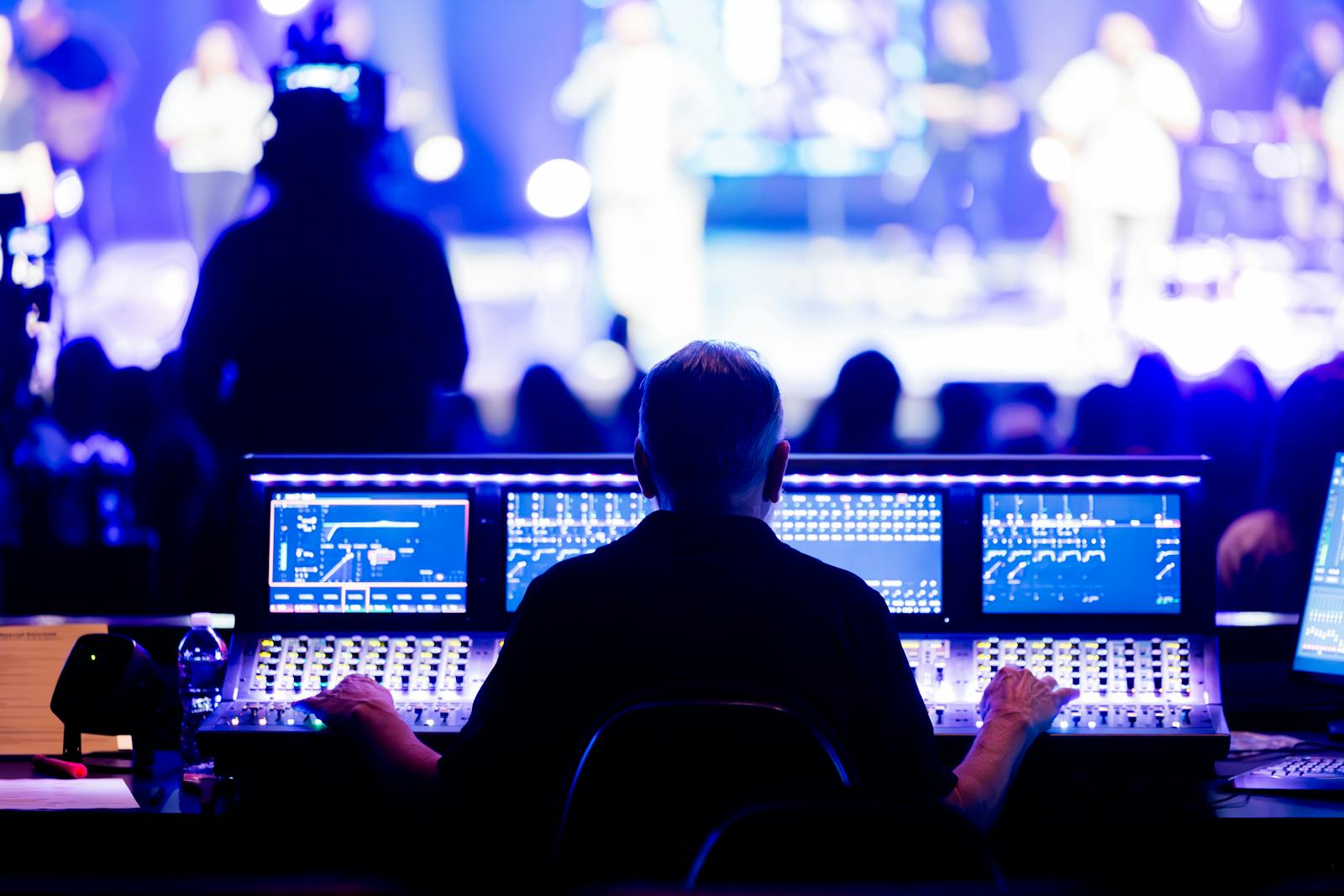
Sound engineer at front of house during a live show

What a band tech rider is for

It is the venue-facing technical summary of your show.

A rider tells the venue what they need to know before the date: your lineup, stage layout, inputs, monitoring, backline expectations, and who to contact if something needs clarification.

It reduces avoidable back-and-forth and helps the technical team prépare the room correctly.

  • Who is on stage
  • How the stage should be laid out
  • Which inputs and outputs are needed
  • What the venue provides and what the band brings

Core sections to include in a tech rider

If these are clear, the rider is already doing most of its job.

  • Band name, lineup, and contact person
  • Stage plot
  • Patch list and channel needs
  • Backline provided by the venue vs brought by the band
  • Monitor or in-ear requirements
  • Important practical notes such as changeover constraints or special power needs

A rider becomes useful when it removes questions before load-in.

If the venue still has to guess what you need, the document is probably too vague or incomplete.

Free plan availableInvite the band when readyWorks on phone too

Practical advice before sending the rider

Small checks prevent avoidable confusion.

Match the rider to the current lineup

A rider from last season or another project creates mistakes before anyone reaches the stage.

Keep the wording direct

Venues need clear facts, not long explanations. Short sections are easier to use under time pressure.

Send it with the right event context

The rider is much easier to trust when it is attached to the exact date, venue, and contact thread.

Mistakes that make riders hard to use

These create friction right before the gig.

The rider contradicts the stage plot

If the patch list, stage layout, and notes disagree, the venue does not know which version is correct.

Too much non-technical content

A tech rider should stay focused on technical and practical show préparation.

No named contact person

Venues need to know who can answer last-minute technical questions quickly.

FAQ

Yes. A tech rider covers the technical setup for the show. A hospitality rider covers catering, accommodation, or comfort-related requests.

Not always, but many appreciate one when the setup is not trivial or when the show has limited changeover time.

Yes. Those are usually the most useful parts because they help the venue prépare the stage and audio setup correctly.

Any time the lineup, instruments, routing, or stage setup changes in a way that affects the venue or engineer.

Read next

These pages extend the topic from a complementary angle while staying close to real band workflow.

Related Bandger features

These features help keep the rider tied to the actual event instead of floating around as a detached PDF.

Prepare a readable stage plot, patch list, and PDF rider the venue can use before show day.

See feature

Keep venues, promoters, stage managers, and tech contacts in one shared book linked to the right dates.

See feature

Run the band calendar with availability, recurring dates, call times, contacts, and linked setlists.

See feature

Build a rider that venues can actually use

Create the stage plot, patch list, notes, and event context together in Bandger.

Free plan availableInvite the band when readyWorks on phone too